This month was the Science and Technology Group's Sevens meeting where members are asked to address the group for a maximum of 7 minutes and 7 slides.
We started with a short talk by Tony Wardell, on Agriculture and the Farmer.
He described how “new” foods were introduced into our agricultural systems in the fifties and sixties, including kiwi fruit, avocados and sweetcorn.
We see this trend continuing as climate change makes certain foods more likely to prosper in the UK and the selection of higher yielding crops will drive higher incomes for farmers.
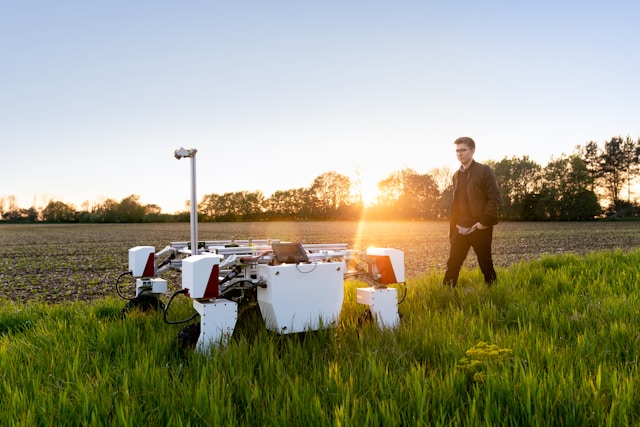

Carol Payze told us about genetic modification to crops through crop selection and genetic engineering and we all learnt something from her talk.
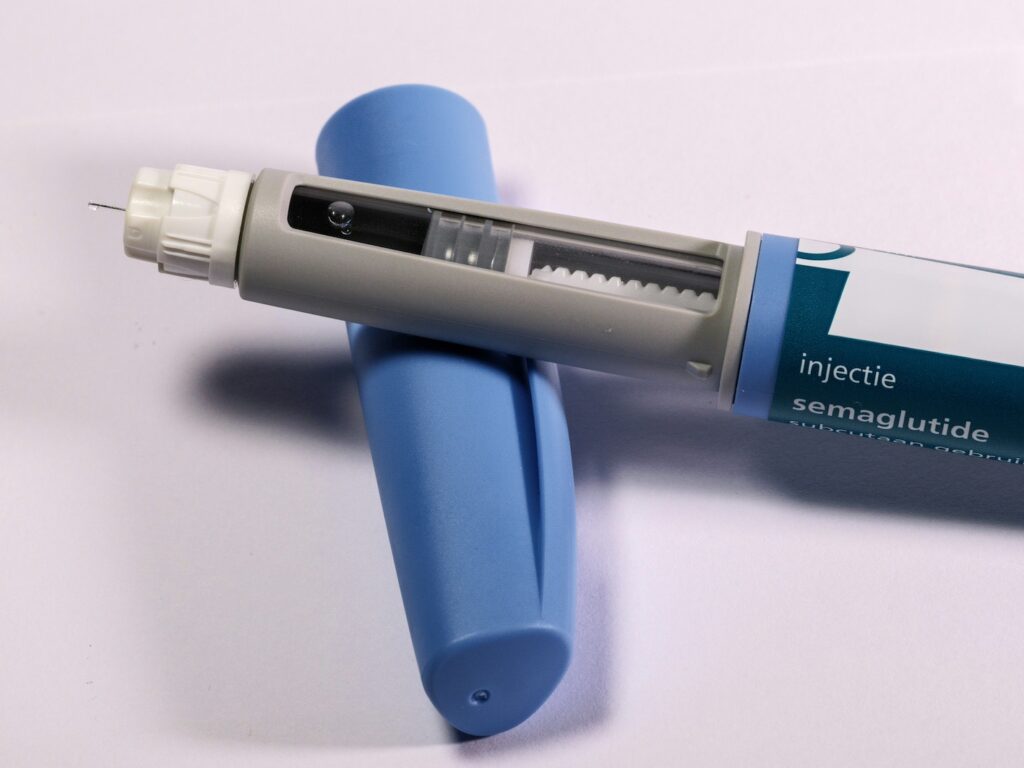
Jane Baxter talked about GLP-1 (Glucagon Like Peptide-1) which is a naturally occurring gut hormone that stimulates insulin release, slows digestion, and signals to the brain that you are full.
GLP-1 receptor agonists are a class of prescription medications that mimic this hormone, effectively treating Type 2 diabetes and promoting significant weight loss.
She then highlighted the examples of Wegovy and Ozempic (both semaglutides), and Mounjaro (Tirzepatide) and we realised that the companies who have patented these medications, Novo Nordisk and Eli Lilly, are in intense completion both in terms of product innovation and marketing, for what is a multi-billion dollar/year market.

Finally Chris Young gave an interesting account of his personal journey with Type 1 diabetes.
He recalled that around 1550 BC, Rameses in Egypt identified that sugar in the urine was an indicator of an illness that led to rapid death, but not much was done until 1921 when researchers successfully isolated insulin, transforming the problem from a fatal condition to a manageable one.
Chris told us how a sensor on the arm now continuously monitors his blood sugar and gives warning if the blood sugar goes outside acceptable limits, so that immediate remedial action can be taken.
It is no longer necessary to undertake pricking of fingers and blood testing to check what action is required.
I would like to thank all contributors for what was an enlightening session and we all came away more wiser.