Good food feeds the body. Shared food also feeds the mind.
Brief summaries of our two main topics for 4 August 2026 are included below.
Inflammation
Acute inflammation is part of the body's natural immune response to injury, infection or foreign bodies.
Chronic inflammation occurs where there is no injury, infection or foreign body. Here the immune response is targeting the body's own tissues.
Our immune system
Is not one discrete organ or tissue. It is an integrated collaboration of cells and tissues from skin, mucous membranes and the lymphatic system which bring about the immune response.
Produced in specialised organs within the body, infection-fighting white blood cells are key players in the immune response.
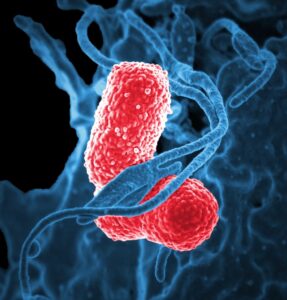
This is an image from a scanning electron microscope, that has been digitally colourised.
The image shows a human white blood cell (known specifically as a neutrophil), coloured blue.
The white blood cell is interacting with two rod shaped, multidrug-resistant, Klebsiella pneumoniae bacteria, coloured pink.
This bacteria is known to cause severe, hospital acquired, infections.
Image source: Pixabay.com - Produced by the National Institute of Allergy and Infectious Diseases
White blood cells
Originate in the bone marrow from precursor stem cells. The white blood cells are either of myeloid or lymphoid lineage.
Both T and B lymphocytes are part of our acquired immune response. After exposure to foreign invaders, memory cells are retained. These can be quickly reactivated if the same invader strikes again.
Chronic Inflammation
Is where the immune response has become stuck or unregulated, and is not being turned off.
The immune system is responding when there is no pathogen and no resolution, so the pilot light is still lit.
Rather than attacking foreign invaders the immune system’s target is the body’s own tissue.
In the long term this can result in chronic disease, for example cardiovascular damage and insulin resistance.
Whilst it may not be possible to modify all causes of chronic inflammation, for example ageing, taking steps to mitigate the following may help to reduce the inflammation...
- Insufficient physical activity
- Prolonged stress
- Obesity
- An imbalance of the microbes within the gut microbiome
- A diet high in ultra-processed foods
- Poor sleep
- Smoking tobacco
- Excessive alcohol consumption
How to reduce chronic inflammation
Here is a link to a shortened version (14 mins) of an hour long ZOE podcast. Professor Phillip Calder is an expert on how our diet influences our immune system.
ZOE Inflammation expert: How to beat chronic inflammation – Professor Philip Calder
Philip Calder advises the following inclusions in our diet can help reduce inflammation…
- Omega-3s
- Vitamin C
- Polyphenols
- Fibre-rich foods
Here are two more really interesting videos. Firstly this 30 minute session from Dr Rangan Chatterjee and Professor Tim Spector:
No. 1 Food Rule To Fight Inflammation, Disease & Heal The Body
Also, this hour long ZOE video with Professor Tim Spector and Dr. Federica Amati:
The best foods to fight inflammation this Spring
Eating Patterns
After a break for a cuppa we had facilitated group discussions about meals and eating patterns.
As we get older:
- Appetite often decreases
- Digestion slows
- Muscle mass gradually decreases
- Blood sugar regulation becomes less efficient
- Sleep patterns change
But regular meal timings can help maintain:
- Energy levels
- Muscle strength
- Healthy weight
- Blood sugar control
- Better sleep
What time of day do you take your meals?
What is a good breakfast and why eat one?
- Replenishes energy after overnight fasting.
- Current guidance – eat breakfast between 1-2 hours after waking
- Importance of eating with medication
- Improves concentration and mood
- Helps regulate blood sugar
- Provides an opportunity to consume protein early in the day
For example:
- Wholegrain cereals or toast
- Eggs
- Yoghurt
- Fruit
- Milk or fortified alternatives
What about lunch? Should lunch be the largest meal of the day? This meal can:
- Maintain steady energy
- Prevent afternoon fatigue
- Reduce overeating later
Include:
- Lean protein
- Vegetables
- Whole grains
- Healthy fats
What about an evening meal?
Benefits:
- Better digestion
- Reduced acid reflux
- Improved sleep quality
- Better overnight blood sugar regulation
Avoid:
- Heavy meals very late
- Excess alcohol
- Large sugary desserts immediately before bed
Take home messages
- Our bodies process food more efficiently earlier in the day. Late-night eating is associated with poorer metabolic health.
- The regularity of meals is often more important than following an exact clock time
- Protein is particularly important for preserving muscle – eat it throughout the day
Chia seed recipes
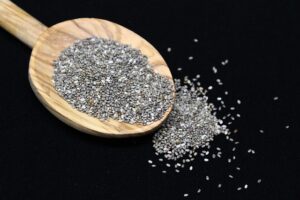
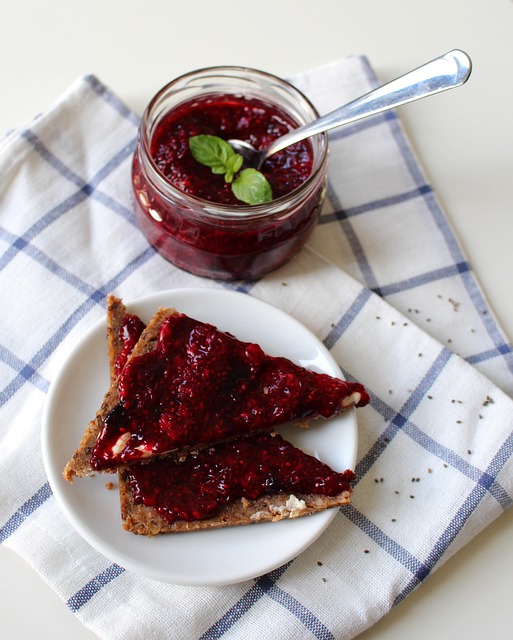
Chia seed jam - soften 300g of raspberries or other similar fruit in a bowl in the microwave. Frozen fruit is just as good as fresh. Add 1 dessert spoon of chia seeds, stir and leave to cool. Store in the fridge overnight and enjoy for breakfast the next day.
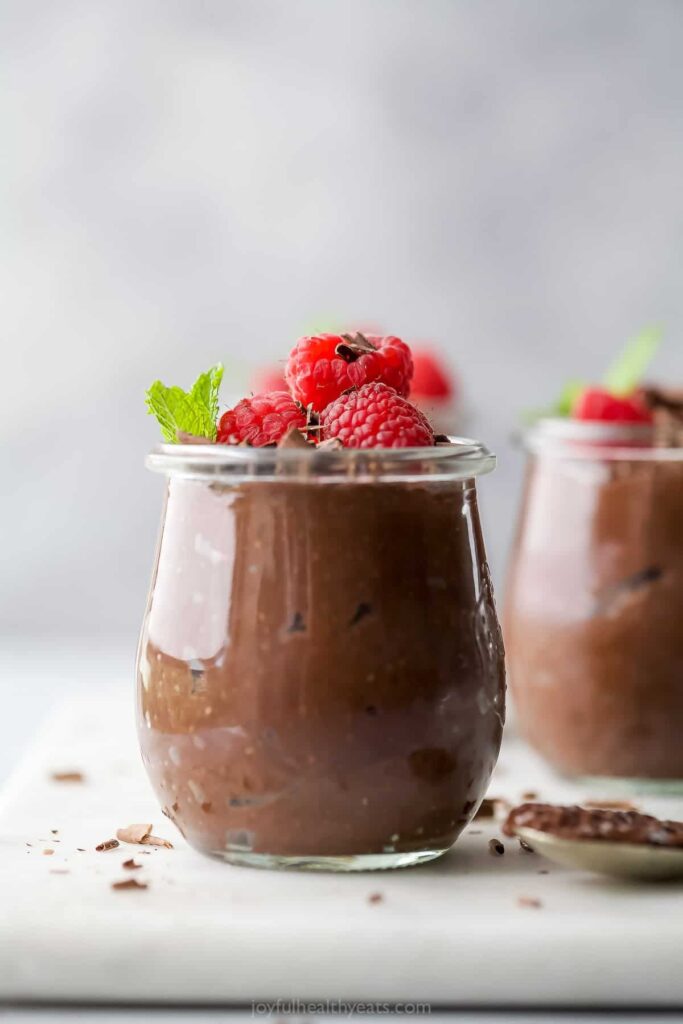
Chia chocolate pudding - for one generous serving mix 1 dessert spoon of cacao powder with 100ml of milk (cows or soya) or kefir. When no lumps remain add 1 dessert spoon of chia seeds. Stir and refrigerate overnight to allow time for the chia seeds to swell.