Jane and Sharan were delighted to welcome 20+ Ravenshead u3a members to the second Living Well, interactive group meeting.
Feedback was given on members' suggestions provided at the Taster session back in October and these are included below. The topics covered a wide spectrum, so in addition to Jane and Sharan's initial brainstorm, there will be lots to keep us occupied in future meetings.
Nutrition
- Quick healthy recipes
- Vitamins
- Good diet
- Salt
- Claims about vinegar
- Clashing health and nutrition advice
- Dairy food and osteoporosis/arthritis
- Sodium, potassium, magnesium
- Health bars (Joe Wicks)
Health and wellbeing
- How to keep healthy / illness prevention
- Importance of hydration
- Waist measurement
- Preventing falls
- Self care and NHS care
- Exercise including Tai Chi
- Mental Health
- Motivation / keeping busy
- Social inclusion
- Cortisol and inflammation
- Fatty liver disease
Gluten
Our first port of call was to consider gluten.
What is gluten, where does it come from and what does it do?
Gluten is a protein and belongs to a family of proteins known as prolamins, occurring in wheat, barley and rye.
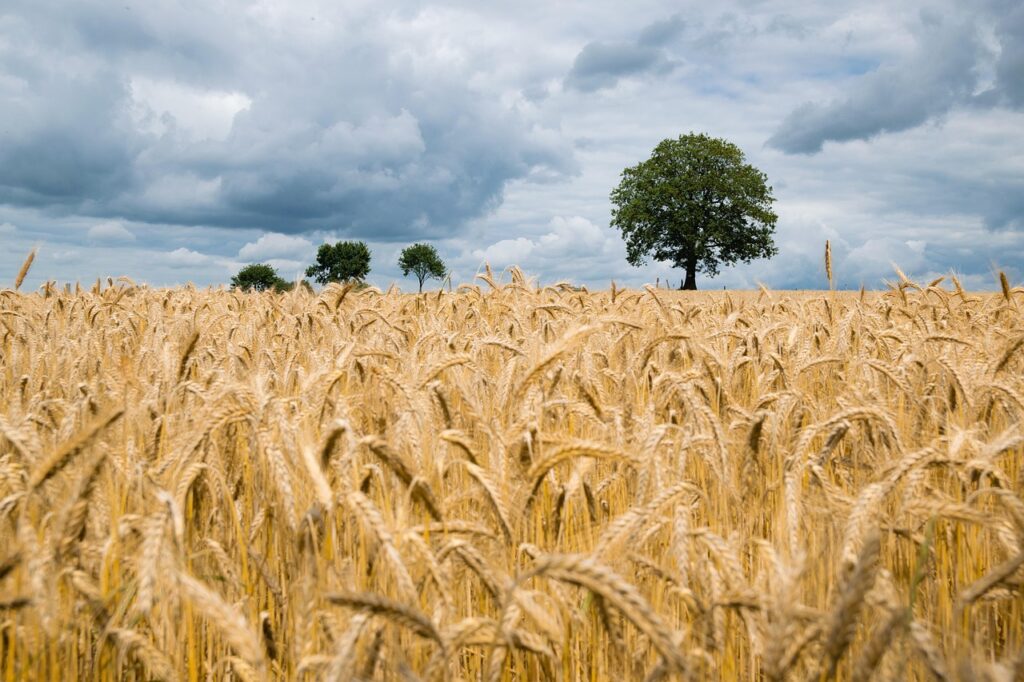
Wheat is one of the most important cereal crops in the world and is used to make a variety of products, including bread and pasta.
Barley is a cereal crop that is commonly used to make beer and whiskey, as well as being a key ingredient in soups and stews.
Rye is also used for food (especially bread), and beverages like whiskey and vodka.
The role of gluten in baking bread
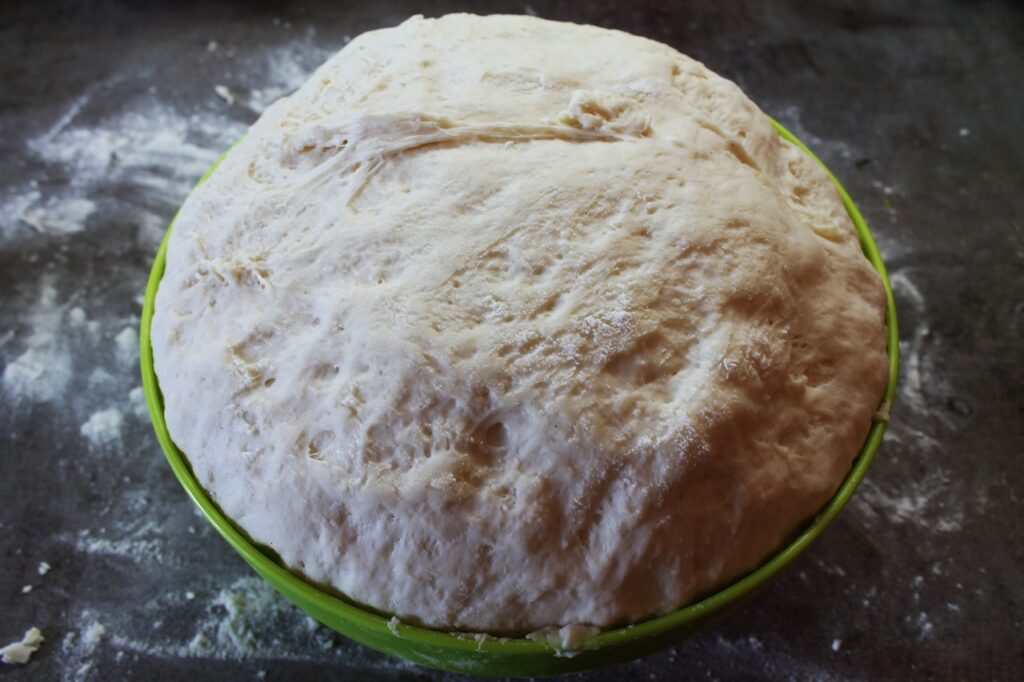
- Flour, water and yeast are mixed and kneaded into a smooth elastic dough which is allowed to rise/prove before it is baked.
- The proteins in the flour form chemical bonds during kneading to create gluten, giving the dough its strength and elasticity.
- Carbon dioxide given off by the yeast in the rising/proving process is trapped by the gluten network and this ‘airy’ matrix is supported during baking to give a light and fluffy loaf of bread.
Prolamins
Proteins are composed of long chains or groups of sub-units called amino acids.
Prolamin proteins contain an abundance of the amino acids proline and glutamine, which can be resistant to digestion in the human gut.
Gluten sensitivity and Coeliac Disease
Most people can consume gluten without any apparent ill-effects.
However, these longer chains of amino acids which may have escaped complete digestion can be 'tagged' and attacked by the immune system as if they were foreign invaders. At the same time this can cause inflammation and damage to the lining of the small intestine in an auto-immune condition known as Coeliac Disease.
1% of the UK population have been diagnosed with Coeliac Disease.
CoeliacUK state there will be many more people affected by Coeliac Disease who have had no formal diagnosis. This is because symptoms can often be attributed to other gastro-intestinal disorders such as irritable bowel syndrome.
Non-coeliac gluten sensitivity is where symptoms similar to Coeliac Disease are experienced but Coeliac Disease is ruled out.
A gluten-free diet
Coeliac Disease is controlled with a gluten-free diet.
There are many healthy foods that can be eaten - fresh meat, fresh fish, milk, eggs, cheese, vegetables and fruit.
However, all foodstuffs containing wheat, barley and rye should be avoided.
This includes obvious flour-based products - bread, pizza, pasta, cakes and biscuits.
But also, less obvious choices like battered fish, meats containing cereal bulking agents, beer, stout, gravy and sauce thickenings, some confectionary and ice creams and other products where contamination during processing is possible, such as porridge oats.
If in doubt look at food labels for allergens, which must be highlighted by law.
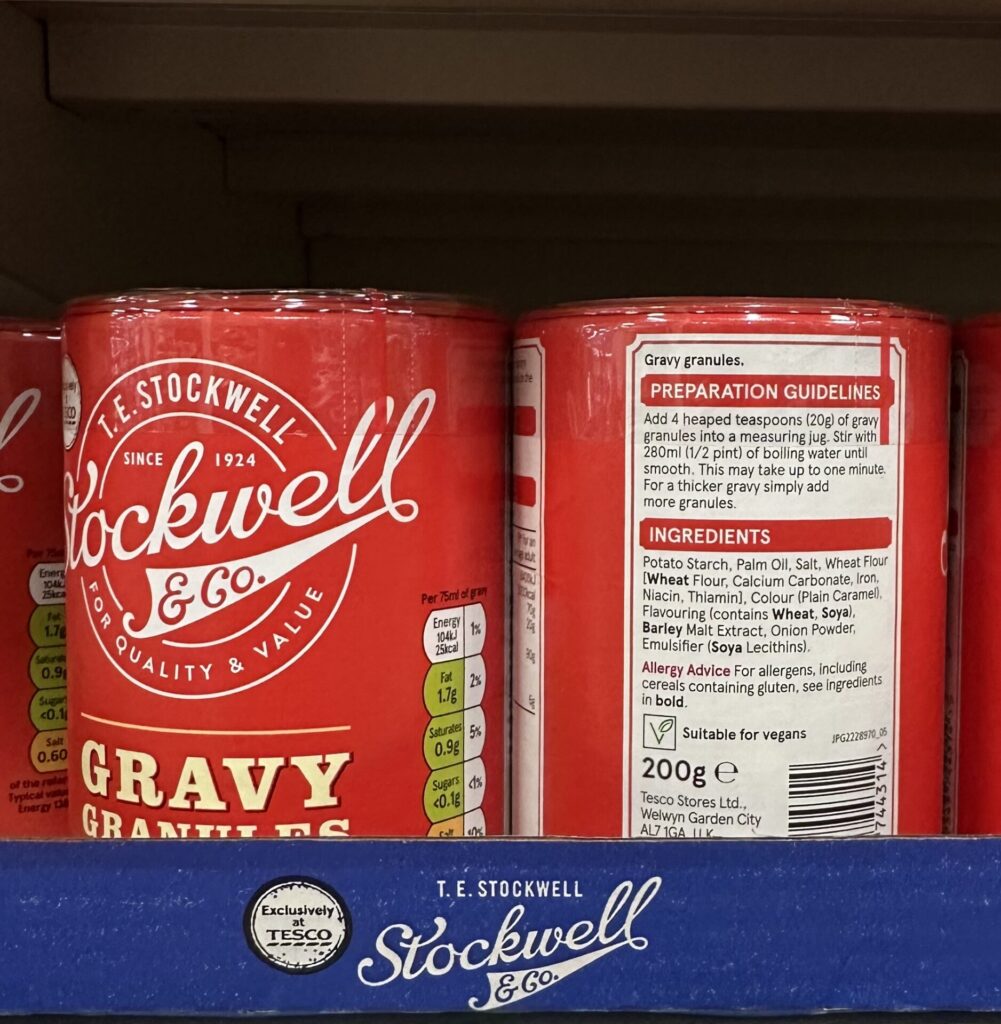
Gravy granules containing wheat allergens
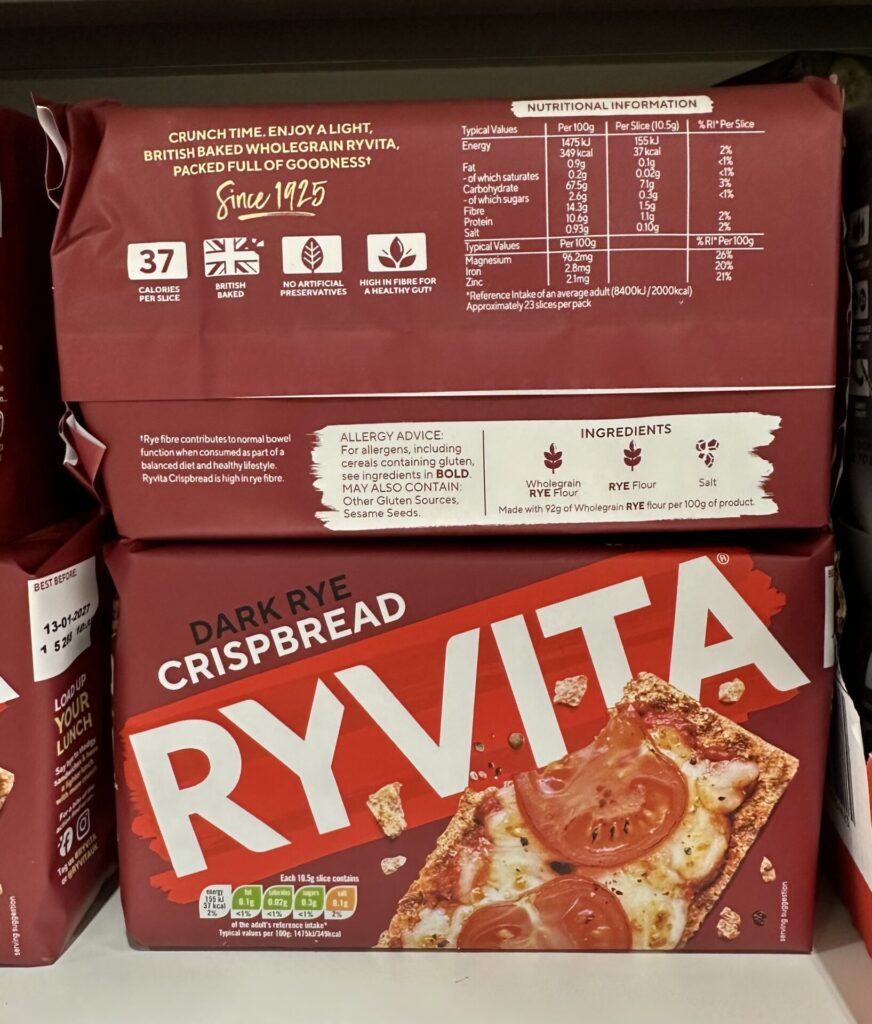
Crispbread containing rye allergens
Vitamin D and Bone Health
Next we looked at Vitamin D and its role in keeping our bones healthy.
There are 13 essential vitamins, classified as water soluble or fat soluble - Vitamin D belongs in the latter group.
There are few dietary sources of Vitamin D, the main ones being oily fish, egg yolk and liver.
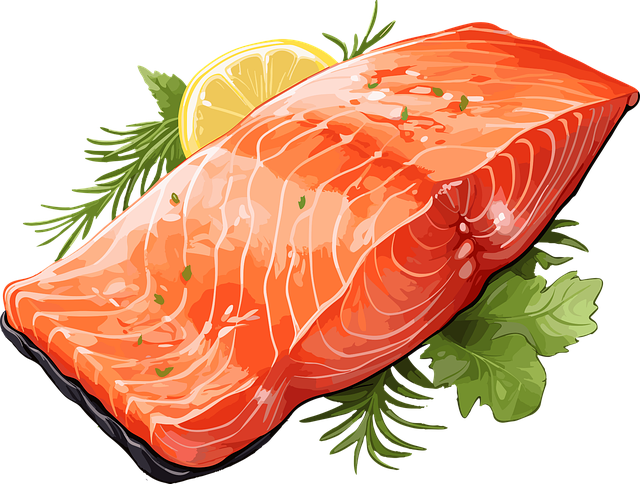
In humans the primary natural source of Vitamin D is endogenous, i.e. produced by the body itself, and this begins in the skin through a photochemical reaction with ultraviolet B radiation from sunlight.
Once activated, the main function of Vitamin D (also known as calcitriol at this stage), is to regulate the availability of calcium and phosphorus in the blood. This is done by increasing absorption of these minerals from the diet and if necessary, withdrawing them from bone tissue. If the latter occurs over a long period of time the bone matrix can be weakened.
There is insufficient UVB radiation in the Northern Hemisphere in winter to permit endogenous synthesis of Vitamin D. The UK Government advises everyone to consider supplementation of Vitamin D during October to late March.
The Harvard Study of Adult Development
After our coffee and tea vessels were recharged we were soothed by a TED Talk given by Robert Waldinger about a 75 year long research project, the 'Harvard Study of Adult Development', which is the longest scientific study of happiness ever conducted.
This is the question Robert Waldinger uses in his TED Talk…
‘If you have to invest time and effort in your future self, where would you put it?’
Dr. Waldinger is the author of The Good Life, which examines the central role of relationships in shaping our health and well-being.
In October 2025, he co-authored an essay with the Princess of Wales entitled 'The Power of Human Connection in a Distracted World'.
Tai Chi
To close, and wind us down completely, Sharan directed an informal 5 minute Tai Chi session.
If you would like to practice the Tai Chi routine at home it is available here
Recipe Swap
December's recipe swap is 'Store cupboard spiced bean stew'
The disclaimer, linked below, is published at each Living Well session and applies to any of the information included in this post...
The next Living Well Group Meeting will be on Tuesday 3 February, 2026, at 10:00.
Images from pixabay.com or owned by Jane/Sharan