Known as the decade of counterculture, in May 2026 the Fashion group considered what might have had an influence on 1960s fashion..
The rag trade and the music business brought glory to the streets of London. Places to be seen were Carnaby Street and The Kings Road. Male and female fashion was ablaze with style and colour.
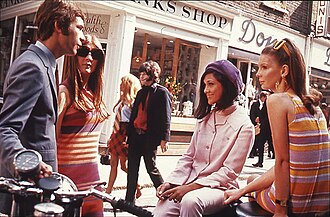
Western clothing and hairstyle trends rapidly evolved during the 1960s and were eagerly adopted by the younger generation. Everyday fashion saw a decline in the wearing of suits and hats and long hair became normalised. Individualism and experimentation were celebrated, with a notable rise of Bohemianism and a hippie culture. Denim jeans, for both men and women, became an important element in fashion, which continues to this day.
It was definitely a swinging era, with extreme highs and extreme lows.
Music, film and geopolitical events were all key influencers of fashion in the 1960s.
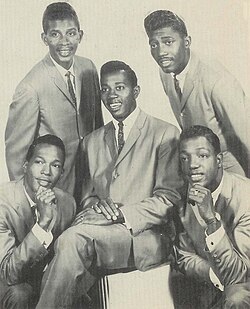
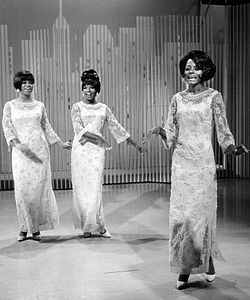
Founded by Berry Gordy Jnr., Motown was one of the great sounds of the 1960s. Gordy didn’t just create a polished sound, he calculated that for his performers to achieve a broad appeal they should also have a polished and refined look. He wanted high glamour and smart tailoring.
These images show the original lineup of The Temptations; also, The Supremes, who are seen here appearing on the Ed Sullivan Show.
Recalling fond memories of the 1960s, we discussed notable events of the era as well as our favourite clothing, shoes, cars and music.
Some group members brought and displayed original clothing items, including a beautiful lace wedding coat, flambouyant knitwear, glamorous evening wear and even a suede mini skirt.
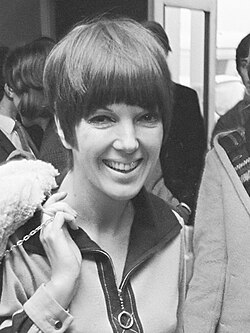
Photographs from the decade were also shared. Some featured hairstyles, for example a marvellous beehive and a classic 'Mary Quant style' bob, as well as homemade fashion crafted on a hand sewing machine, and an album of wedding photos.
Designers of the time included Mary Quant, renowned for miniskirts, skinny-rib sweaters and wet-look PVC.
She produced designs for Butterick Patterns (dressmaking) to enable her styles to reach a larger market.
Mary Quant was largely responsible for establishing London as the sixties centre of fashion, particularly the King's Road in Chelsea.
This 5 minute video tells the Mary Quant story.

.jpg)

.jpg)
Other notable designers were Jean Muir (women's jersey wear), Ossie Clark (hot pants and maxi dresses), Pierre Cardin (futuristic fashion, mostly menswear from 1961), John Bates (pantsuits and catsuits) and Paco Rabanne (chainmail style clothing and accessories for Balenciaga, Givenchy and Dior).
Another revolutionary brand which helped define the sixties was Biba, founded by Barbara Hulaniki. Watch this video and immerse yourself in the design brilliance of Barbara Hulaniki and Biba.
A short quiz to see if we could recognise any of the fashion faces of the 1960s rounded off our session and the decade was perfectly summed up with this 8 minute video.