The Antiques Group met on Thursday 19th June to look at “The Legacy of defunct Pottery Manufacturers in the Stoke on Trent Area”.
Over the centuries there were 1900+ pottery companies in the Stoke-on-Trent area of North Staffordshire. Some pottery businesses existed for over 200 years and are still in existence today, and some survived for only a few years.
The members present were given a potted history of The Potteries, highlighting some of the famous names, with archive video footage showing pottery manufacture, the processes of manufacture and the characters and lost skills:
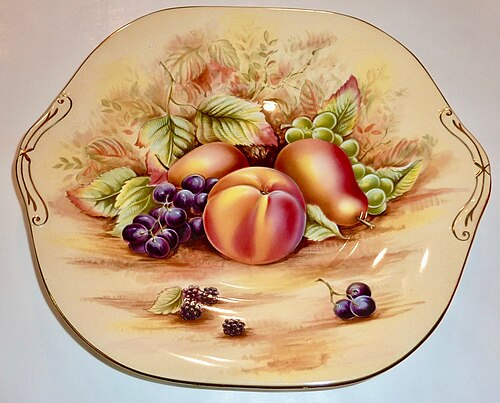
Aynsley: A renowned name in British porcelain, Aynsley China was established in 1775 by John Aynsley in Lane End, Longton, Staffordshire.
The company, initially focused on enameling, grew to become a major producer of fine bone china, known for its floral and commemorative pieces.
After several acquisitions, including by Waterford and Belleek in 1997, the original factory in Longton was closed in September 2014, but Aynsley continues to be produced by Belleek Pottery Group overseas and marketed using the brand name.
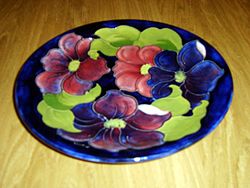
Moorcroft: Was a British Art Pottery manufacturer specialising in richly decorated earthenware based in Burslem in Stoke on Trent using the unique tubelining technique.
The company was founded in 1913 by William Moorcroft.
In April 2025, the firm ceased trading, quoting difficult market conditions and high energy costs.
Minton: Known for its wide range of designs, tiles, and sculptures, Minton was a major player in Staffordshire pottery, "Europe's leading ceramic factory during the Victorian era", and an independent business from 1793 to 1968. They collaborated with renowned designers like Christopher Dresser and Augustus Welby Pugin. Minton was acquired by Waterford Wedgwood, along with the assets of the Royal Doulton group, in 2005.
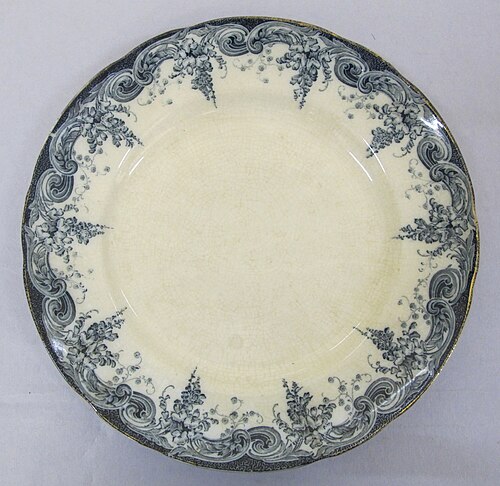
Spode: Famous for its blue and white patterns and its contributions to porcelain. Spode's history, a saga spanning over 230 years, is a story of innovation and enduring quality in British pottery.
Founded by Josiah Spode I in 1776, the company revolutionised ceramic production, particularly with the introduction of bone china and the development of blue underglaze printing.
The historic Spode works in Stoke-on-Trent closed after 230 years of continuous operation in 2008.
Royal Doulton: A prominent company that produced both tableware and artistic pottery. The Nile Street factory in Burslem closed in 2005, and the trading name was subsequently acquired by Waterford Wedgwood in the same year.
Pottery is still produced under the Royal Doulton name, but in Indonesia, and also in small quantities at the World of Wedgwood factory in Barlaston, Stoke on Trent, which is more of a tourist attraction which now demonstrates how pottery is made and decorated.


_(cropped).jpg)
During the refreshment break, John Butler shared items from his collection of Moorcroft, Aynsley and Royal Doulton pottery.
The topic for the next meeting on Thursday 17th July, will be “Bohemian Glass - from the Czech Republic”.